Extinction · Research · Conservation
Vascular Plant Extinction in the United States and Canada
Extinction is permanent, but even in one of the most botanically studied parts of the world we did not have a reliable accounting of how many plants had already been lost. I led a national team to find out.
Counting what had disappeared
We queried conservation databases, searched the botanical literature, and then vetted candidate extinctions with experts across the United States and Canada. Because taxonomy itself can complicate extinction counts, we also developed an Index of Taxonomic Uncertainty to evaluate the strength of each taxon’s scientific standing.
65
taxa assessed as extinct in the study
51
species, plus 14 infraspecific taxa
64%
of extinct plants were single-site endemics
What surprised us
The study identified 65 extinct taxa, representing 51 species and 14 infraspecific taxa. That was a 109% increase over the number previously reported for the United States and Canada. Seven persisted in cultivation despite being extinct in the wild. Perhaps most strikingly, 64% of the extinct plants had been known from only a single site, and many losses occurred outside places typically recognized as biodiversity hotspots.
The conservation lesson
The work changed how I think about extinction prevention. Species known from one or a few places can disappear before broad-scale conservation strategies ever reach them. Preventing extinction therefore requires both landscape conservation and an ability to identify and act on the most imperiled species individually, using complementary in situ and ex situ approaches.
New York Botanical Garden Symposium
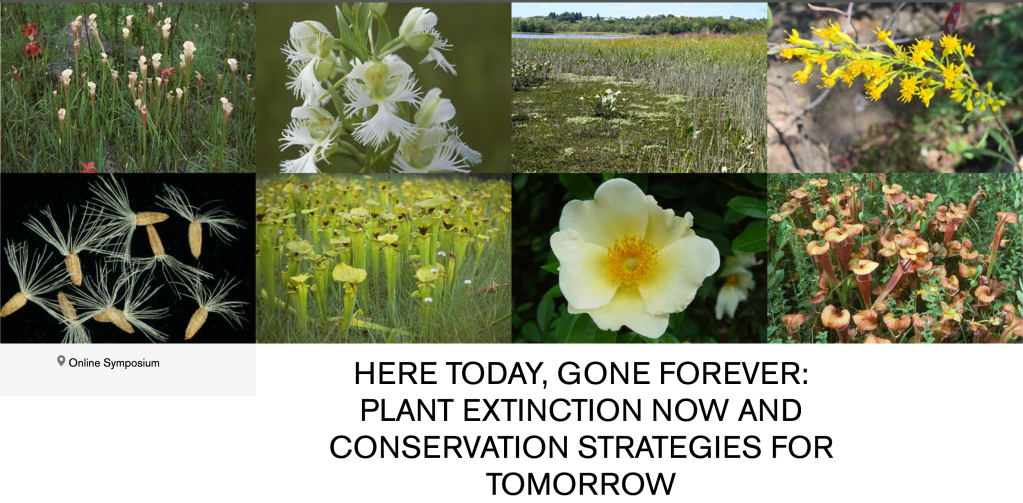
Here Today, Gone Forever
In November 2020, I presented this research at NYBG’s international symposium on plant extinction alongside Thomas Lovejoy, Stuart Pimm, Maria Vorontsova and other conservation leaders. The symposium connected the North American evidence with the larger global extinction crisis and the strategies needed to prevent future losses.
A continuing question
Our count was not the end of the story. Extinction records change as taxonomy improves, historical evidence is reexamined, and occasionally a species is rediscovered. The larger conclusion remains: documented losses are a minimum, not a ceiling. Better biodiversity data must ultimately lead to earlier conservation action.


Leave a Reply