Conservation & Science
Discovery is the beginning.
Recovery is the goal.
I began by asking what plants exist and where they occur. Increasingly, my work asks which are closest to extinction, what is needed to save them, and how we build the capacity to recover them.
01
Discover
Find, describe, and correctly name biodiversity before it disappears unnoticed.
02
Understand
Use taxonomy, field biology, genetics, and collections to understand species and their evolutionary potential.
03
Prioritize
Identify the plants closest to extinction so limited conservation resources reach the species that need them most.
04
Conserve
Safeguard genetic diversity through seed banking, living collections, propagation, partnerships, and action in the wild.
05
Recover
Move species from recognition of risk toward reintroduction, monitoring, and persistence in the wild.
Signature Work
Across the conservation continuum
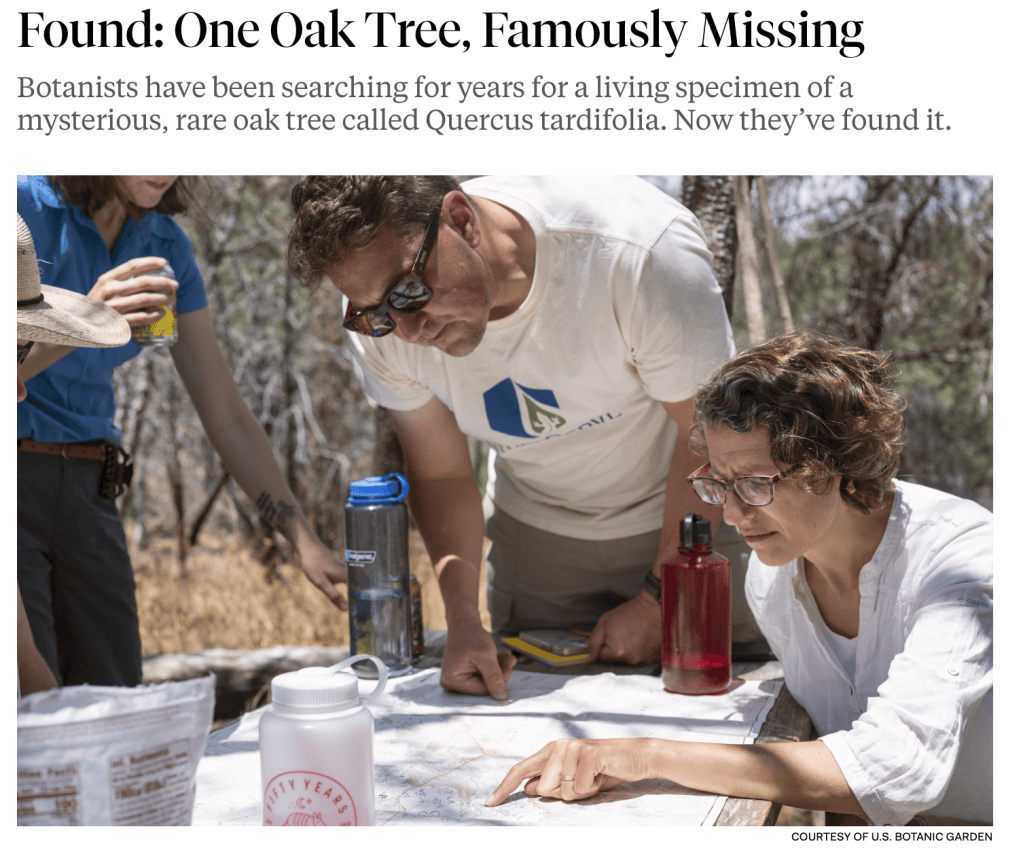
Field exploration and the continuing scientific work needed to understand one of North America’s rarest oaks.
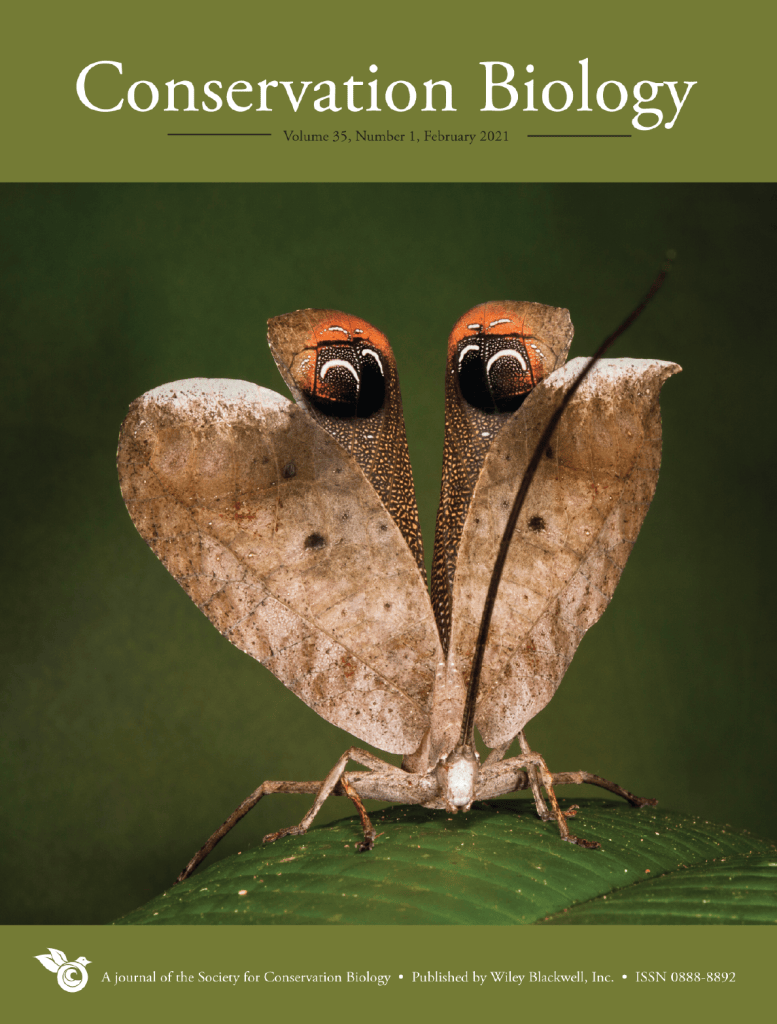
Quantifying plant extinction in the continental United States and Canada and documenting losses that had often gone unrecognized.
PRIORITIZE
Plants of one known occurrence
Identify species known from a single occurrence so plants closest to extinction can receive immediate attention. This work asks a deliberately practical question: where is the margin for delay essentially gone?
RECOVER
A national plant recovery network
Through the Center for Plant Conservation, connect expertise across institutions so priority species can move from safeguarding and propagation to reintroduction, monitoring, and recovery in the wild.
Building the information foundation for plant conservation
What is it? Where is it? How is it doing?
Conserving plant diversity begins with three fundamental questions. What is the species? Where does it occur? How is it doing? Answering them sounds simple. At the scale of an entire flora, it is not.
My work increasingly focuses on connecting the scientific knowledge, data systems, and conservation institutions needed to answer these questions consistently across the United States. Together, these efforts can create a stronger information foundation for deciding which plants need conservation action, where that action is needed, and what recovery should look like.
01 — WHAT IS IT?
Building taxonomic consensus
Before we can conserve a species, we need to agree on what it is. Through the Consensus Plant Checklist, I am helping advance an effort to create an authoritative and broadly accepted taxonomic framework for the plants of the United States.
A shared checklist does more than standardize names. It creates the common language needed to connect conservation assessments, occurrence data, collections, research, policy, and recovery efforts across institutions.
02 — WHERE IS IT?
Putting plant conservation on the map
Knowing that a species exists is not enough. We need to understand where it occurs, where it has been conserved, and where the gaps are.
My work with Esri is exploring how geospatial technology can connect and visualize plant conservation information at national scale. Mapping these data can help reveal patterns that are difficult to see in databases alone and, ultimately, help conservationists determine where limited resources can have the greatest impact.
03 — HOW IS IT DOING?
Connecting conservation assessments
Knowing what a species is and where it occurs leads to the next question: How secure is it?
NatureServe conservation status ranks and the IUCN Red List are two of the world’s most important systems for evaluating extinction risk and conservation status. Work to better understand and crosswalk these approaches can make their complementary information more accessible and useful to researchers, conservation organizations, governments, and decision-makers.
From knowledge to action
What do we do about it?
Answering the first three questions gives us the information foundation. But information alone does not prevent extinction.
The ultimate challenge is turning knowledge into action: prioritizing species, safeguarding genetically representative material, solving propagation challenges, reducing threats, restoring populations, and monitoring recovery in the wild.
That is where these efforts converge with my work at the Center for Plant Conservation. The goal is not simply to build better lists, maps, or assessments. It is to build a more connected conservation system capable of recognizing which plants are in trouble and acting before they disappear.
A conservation system should be able to tell us what a plant is, where it is, how it is doing, and what we are going to do about it.
Selected Scholarship
Science in service of conservation
My scholarship spans extinction, conservation gap analysis, living-collection infrastructure, population genetics, taxonomy, and species discovery. Recent work includes conservation gap analysis for wild grapevines of the Americas, global data infrastructure for living plant collections, population genetics of Quercus tardifolia, plants of one known occurrence, and the description of Juncus snowii.
The Question Now
What are we going to do with what we know?
The question that increasingly drives my work is not simply what we know about rare plants, but what we are going to do with that knowledge.

