Selected Work
Research, discovery, and conservation in service of preventing plant extinction.
A selection of work that traces a career from finding and describing rare plants to understanding extinction risk, setting conservation priorities, and building the partnerships needed for recovery.
Discovery & Understanding
Knowing what is here is where conservation begins.
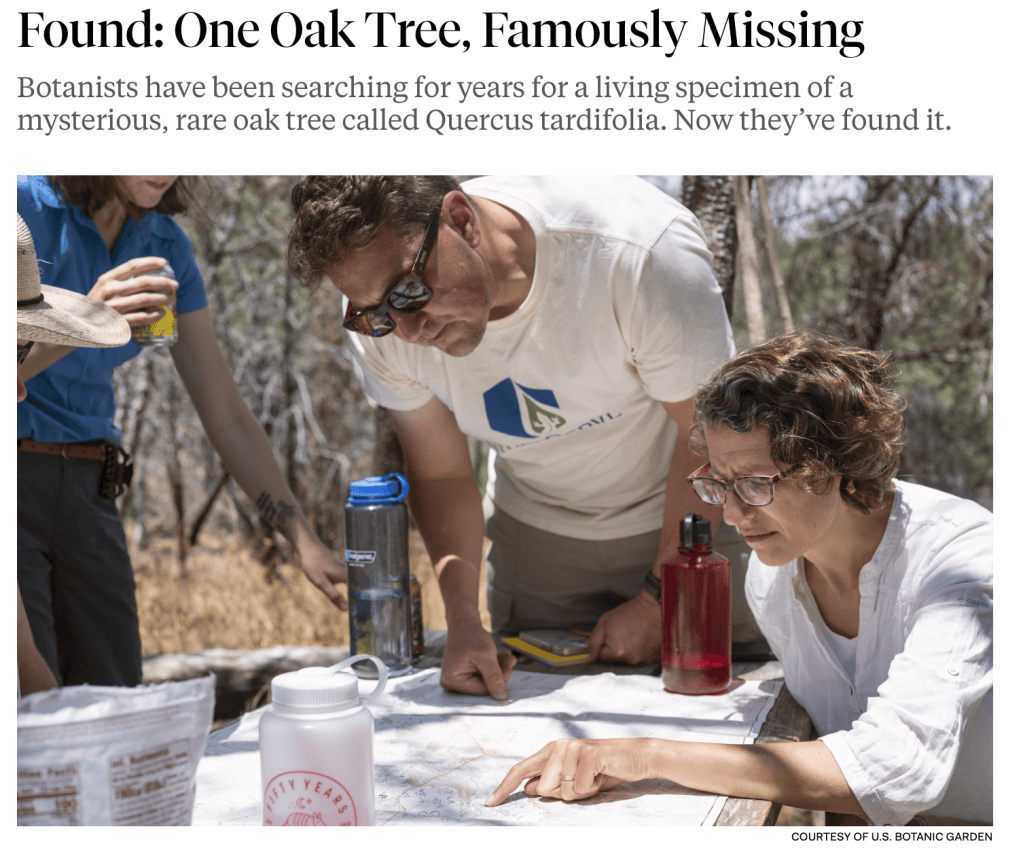
Rediscovery is not the end of a story. It is the beginning of the scientific work needed to understand a species, its population, and what conservation will require.
SPECIES DISCOVERY
Juncus snowii
Taxonomy and field botany remain foundational conservation tools. Describing species accurately gives them a scientific identity and makes it possible to assess, track, and protect them.
Extinction & Prioritization
Which plants are closest to the edge?
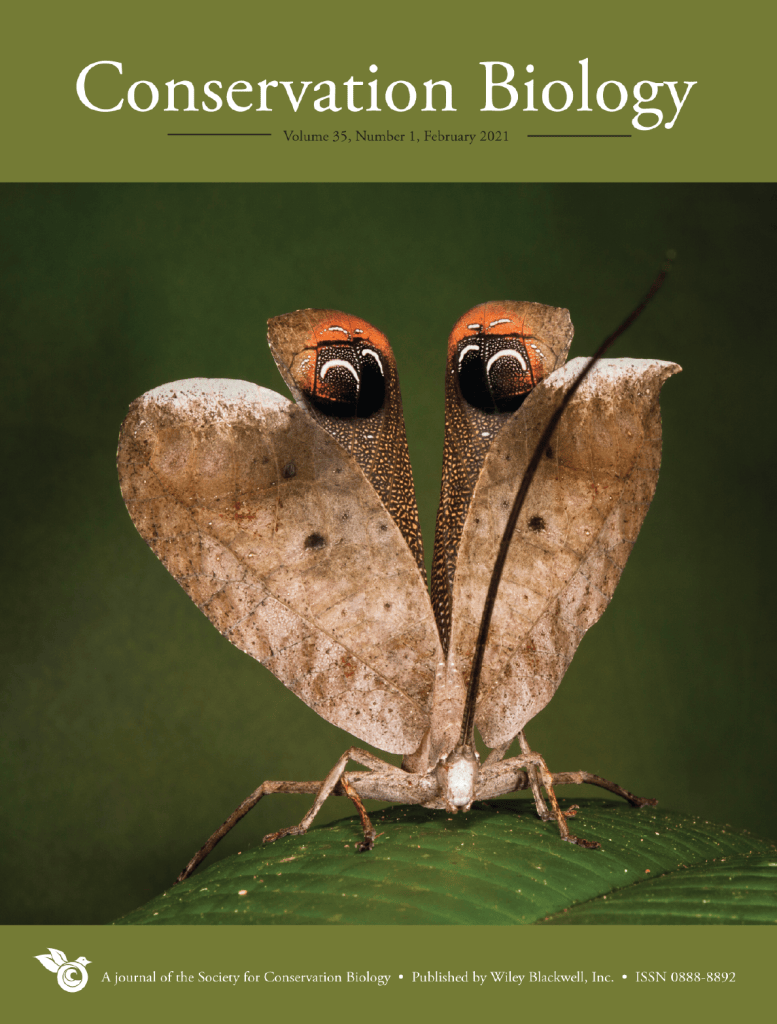
Documenting plant extinctions that had often gone unrecognized helps establish the scale of loss and makes extinction itself visible as a conservation problem.
PRIORITY SPECIES
Plants of One Known Occurrence
Species known from a single occurrence have almost no margin for error. Identifying them provides a practical framework for directing attention and conservation resources where delay can be most consequential.
Conservation & Recovery
Knowledge matters most when it leads to action.
NATIONAL NETWORK
Building capacity for plant recovery
Through the Center for Plant Conservation, science is connected to implementation across a national network of botanical institutions and conservation practitioners, from safeguarding genetic diversity to propagation, reintroduction, monitoring, and recovery in the wild.
CONSERVATION GAP ANALYSIS
Turning data into conservation priorities
Gap analyses ask a direct question: which species and populations are adequately safeguarded, and where are the most consequential gaps? That information can turn collections and data into an agenda for action.
LIVING COLLECTIONS
Collections as conservation infrastructure
Botanical collections can do more than preserve specimens. When they are genetically representative, well documented, and connected to recovery planning, they become infrastructure for preventing extinction.
Looking for the full record?
Selected Work is intentionally curated. My complete publication record, professional appointments, awards, presentations, and service are available in my curriculum vitae.

